


Top School Safety Alert Systems You Need to Know About

When it comes to protecting students, staff, and visitors, you can never be too prepared. Emergencies can happen anytime, anywhere. Are you confident your school is ready to respond quickly and effectively? If not, it’s time to explore the best school safety alert systems available. These tools are designed to keep everyone informed and safe during critical moments.
You might wonder, what makes a great alert system? How do you choose the right one for your school? Let’s dive into the top options and what you should look for to ensure your school is protected.
Why School Safety Alert Systems Matter More Than Ever
Think about it. Schools are busy places with hundreds or even thousands of people moving around every day. In an emergency, seconds count. Without a reliable alert system, confusion and panic can spread fast. That’s why having a clear, fast, and effective way to communicate is essential.
School safety alert systems help you:
Notify everyone instantly about threats or emergencies
Provide clear instructions to keep people calm and safe
Coordinate with first responders and staff efficiently
Reduce response times and potential harm
You don’t want to wait until something happens to realize your communication isn’t up to the task. Investing in a solid alert system means you’re taking a proactive step to protect your community.
What to Look for in School Safety Alert Systems
Not all alert systems are created equal. You need one that fits your school’s unique needs and environment. Here are some key features to consider:
1. Multi-Channel Communication
Can the system send alerts via text, email, phone calls, and even loudspeakers? The more ways you can reach people, the better. Some might not check their phones immediately, but a loudspeaker announcement can grab attention fast.
2. Ease of Use
In an emergency, you don’t want to fumble with complicated software. Look for systems with simple interfaces that anyone can operate quickly. Training should be straightforward and quick.
3. Integration with Existing Systems
Does it work with your current security cameras, access controls, or fire alarms? Integration means you can automate alerts and responses, saving precious time.
4. Customizable Alerts
Every emergency is different. Your system should let you tailor messages for lockdowns, weather events, medical emergencies, or evacuations.
5. Real-Time Updates and Tracking
Can you monitor who has received the alert and who hasn’t? Real-time tracking helps you know if everyone is informed and safe.
6. Reliability and Support
Choose a system with a strong track record and responsive customer support. When lives are on the line, you need a partner you can trust.
What is a School Raptor Alert?
You might have heard about the School Raptor alert system. It’s a popular tool used by many schools to enhance safety and visitor management. But what exactly is it?
School Raptor is a visitor management system that helps schools track who is on campus at any given time. It screens visitors, staff, and volunteers, ensuring only authorized individuals enter the premises. In addition to visitor management, it can send emergency alerts to staff and administrators quickly.
This system is especially useful for:
Keeping unauthorized visitors out
Quickly identifying who is on campus during emergencies
Streamlining check-in and check-out processes
By knowing exactly who is in the building, schools can respond more effectively during emergencies. It’s a smart layer of security that complements other alert systems.

Top Emergency Alert Systems for Schools You Should Consider
Now, let’s get to the heart of the matter. What are the best emergency alert systems for schools? Here are some top contenders that offer robust features and proven reliability.
1. Mass Notification Systems
These systems send mass alerts to phones, emails, and loudspeakers simultaneously. They are perfect for reaching large groups quickly. Many offer mobile apps for staff to receive alerts on the go.
Why you’ll like it: Instant communication to everyone, no matter where they are.
2. Two-Way Communication Systems
Emergencies aren’t one-way conversations. Two-way systems let you send alerts and receive responses. This helps you check on people’s safety and coordinate actions.
Why you’ll like it: Real-time feedback and better coordination.
3. Integrated Public Address Systems
These combine emergency alerts with your school’s PA system. You can broadcast live or pre-recorded messages instantly.
Why you’ll like it: Clear, audible instructions that reach every corner of the school.
4. Mobile Panic Buttons
Staff can carry panic buttons that trigger immediate alerts when pressed. This is especially useful for isolated areas or when quick help is needed.
Why you’ll like it: Fast, discreet alerts from anywhere on campus.
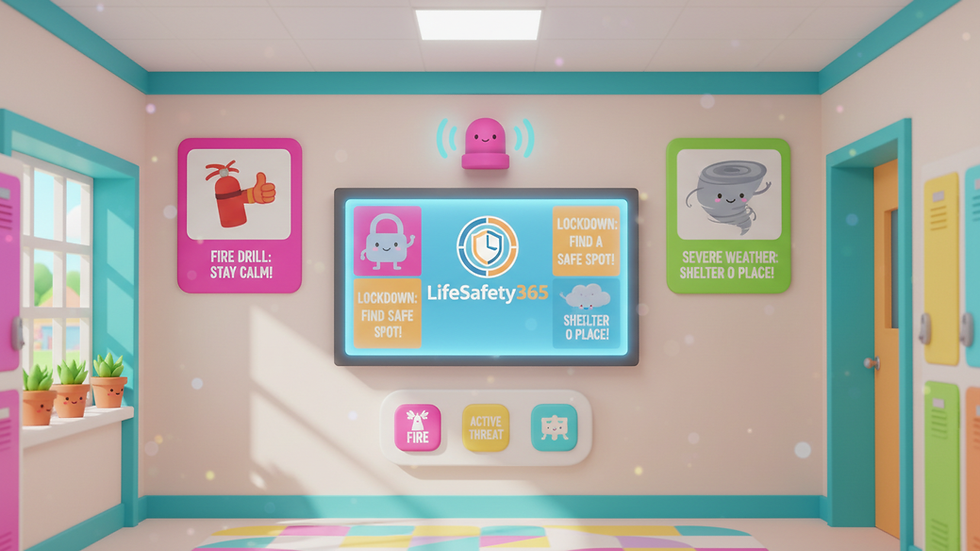
5. Digital Signage Alerts
Screens placed around the school can display emergency messages and instructions visually.
Why you’ll like it: Visual cues help those who might miss audio alerts.
6. Automated Lockdown Systems
Some alert systems can automatically lock doors and secure the building when an emergency is detected.
Why you’ll like it: Adds a physical layer of security alongside communication.
How to Implement an Effective Alert System in Your School
Choosing the right system is just the first step. Implementation is where the real work begins. Here’s how to make sure your alert system works when you need it most.
Step 1: Assess Your School’s Needs
Look at your school’s size, layout, and typical emergencies. Talk to staff and security experts to understand what features matter most.
Step 2: Train Everyone
An alert system is only as good as the people using it. Train staff, teachers, and administrators on how to activate and respond to alerts.
Step 3: Test Regularly
Run drills and tests to make sure the system works smoothly. Identify any gaps or delays and fix them immediately.
Step 4: Communicate with Students and Parents
Make sure everyone knows what to expect during an emergency. Clear communication builds trust and reduces panic.
Step 5: Review and Update
Emergencies evolve, and so should your system. Regularly review your alert protocols and update your technology as needed.
Taking the Next Step Toward Safer Schools
You’ve seen why school safety alert systems are crucial. You know what features to look for and how to implement them effectively. Now, it’s time to act.
Don’t wait for an emergency to expose weaknesses in your communication. Explore the best emergency alert systems for schools and find the right fit for your community. Your school deserves the best protection possible.
Remember, safety is a shared responsibility. When you invest in the right alert system, you’re not just buying technology - you’re investing in peace of mind for everyone who walks through your doors.
Stay prepared. Stay safe. Your community is counting on you.


Comments